
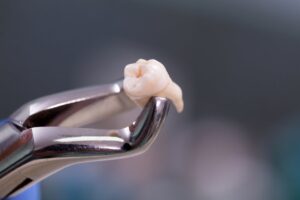
When it comes to getting a tooth extracted, you may be preparing yourself for the procedure itself, but you should also look at the recovery that’s to follow. There’s one complication that can happen during it, which is a condition called dry socket. If you don’t know much about it, breathe a sigh of relief knowing it’s preventable, but here’s more about it and how you can do your best to avoid it.
What Is Dry Socket?
After you have a tooth removed, your body will need time to recover and close the empty socket. While this happens, a blood clot forms to keep the extraction site clean and covers any exposed nerve endings. When it dislodges or dissolves early, you develop a dry socket. A few reasons this can happen are from drinking through a straw or enjoying a hot beverage (to name a few), as they irritate the soft tissues around the area.
How Can I Tell I Have Dry Socket?
If you have dry socket, then it will make itself known pretty fast. It causes severe discomfort, usually within the first few days after you have had your procedure. The pain can spread across your face to your head, but you may also notice you have bad breath or an unpleasant taste in your mouth. The socket itself may look empty, or you can see bone as well.
What Can I Do to Prevent Dry Socket?
Thankfully, dry socket is avoidable; you just have to follow the right tips. Here are simple ones to keep in mind:
- Eat soft foods to give your mouth a break. Mashed potatoes, applesauce, and other easy-to-chew options can reduce your risk of the blood clot dislodging. Anything crunchy, sticky, hot, carbonated, caffeinated, and alcoholic should also be avoided for the time being.
- Don’t drink out of a straw. The suction motion is what causes the problem, so steer clear of them, especially if it’s a habit to reach for one.
- Let yourself rest. Take a couple of days off so you and your body can focus on recovering.
- Keep up with your oral hygiene routine. While you may be sore, it’s still important you brush your teeth and tongue. This will remove bacteria that can cause problems.
- Hold salt water in your mouth and lightly shake your head. This can wash away debris and encourage healing.
In the end, follow your dentist’s post-op instructions! They may have included some of the easy tips above, but also given you more detailed notes on when to do it and what else you can do. That way, you can get to the stronger smile you deserve.
About the Author
Dr. Mohannad Abboushi earned his dental degree from New York University. He is dedicated to helping the Bloomfield community during their oral healthcare journey, even if that calls for a tooth extraction. By using state-of-the-art technology, you enjoy a more efficient procedure that’s as easy and comfortable as possible. If you want some more tips about recovering from this treatment, schedule an appointment or call Dr. Abboushi’s office at (973) 358-7277.