Tooth Extractions Bloomfield
Seamless Tooth Extractions for Smile Preservation
While our top priority is always to preserve your natural smile, there are instances where Dr. Abboushi may recommend a tooth extraction in order to prevent an issue from spreading and causing additional damage. Rest assured, our team will take excellent care of you and make sure you don’t experience any pain during your procedure. Plus, if you require a tooth replacement following your extraction, we can also help you with that, too!
Why Choose Premier Family Dentistry of Bloomfield for Tooth Extractions?
- In-House Wisdom Tooth Extractions
- Family-Friendly Dental Office
- We Accept & Maximize Dental Insurance
Reasons Why Tooth Extractions Are Necessary

Dr. Abboushi may recommend a tooth extraction in Bloomfield if:
- A tooth has been severely damaged or decayed to the point that it’s not repairable.
- A baby tooth refuses to fall out on its own.
- An infection has spread to the roots of a tooth and can no longer be treated with a root canal.
- Gum disease has caused the supportive structures of a tooth to deteriorate, causing it to become loose.
- A tooth is causing you immense pain.
Rest assured, he will discuss all of your treatment options with you following the exam. He will also answer any questions you have and share his recommendations so that you feel confident moving forward.
The Process of Removing a Tooth
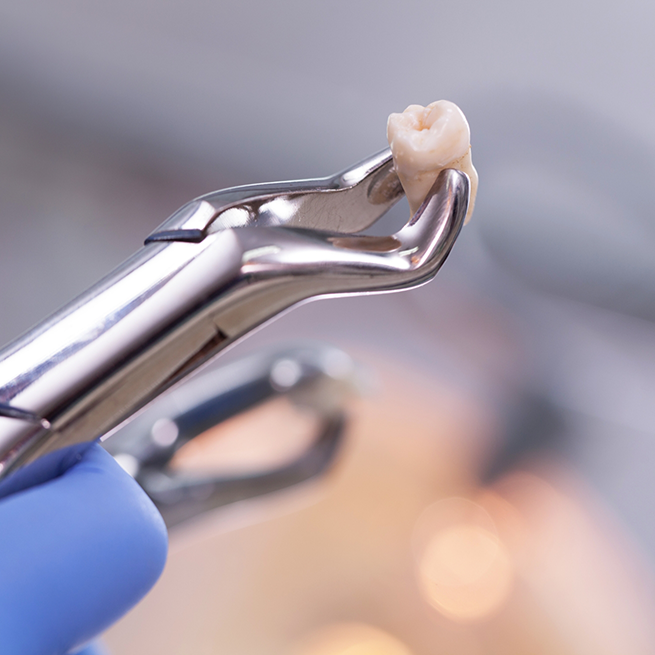
There are two types of extractions: simple and surgical. With a simple extraction, our emergency dentist in Bloomfield can grip the tooth, rock it loose, and tend to the extraction site. A surgical extraction, on the other hand, requires a small incision to be made in the gums so the tooth can be accessed. Then, it’s removed piece by piece. In both cases, the first step is always the same: to numb your mouth thoroughly so you don’t feel any pain during your time in the treatment chair.
Tooth Extraction Aftercare

As you heal from the procedure, it’s important that you:
- Eat extremely soft foods, like applesauce and plain yogurt
- Brush and floss carefully around the extraction site
- Change the gauze pads as needed
- Take prescribed or OTC pain medication as directed
- Don’t use a straw, spit, or smoke
- Keep your head elevated, even while you sleep
If you have any questions for us about tooth extractions, including how you should prepare, don’t hesitate to call our office. That way, a helpful member of our team can provide additional information, ease concerns, and set you up for success.
Understanding the Cost of Tooth Extractions

There are a couple of different factors that can affect the cost of tooth extractions in Bloomfield. Because of this, we won’t be able to give you a precise price for your treatment until we’ve examined your mouth. Our team won’t leave you completely “in the dark” though! You’re welcome to contact us with any questions or concerns you may have, and can read the information we’ve put together below to see what your expenses may involve.
Factors That Can Affect Tooth Extraction Cost

As already mentioned, different factors can affect the price of your tooth extraction. For example:
- The number of teeth to be extracted. Removing one tooth will be generally less expensive than removing multiple.
- The location of the tooth. Back molars are trickier to extract and may cost more than removing a front tooth.
- The type of extraction you’ll need. Simple extractions are, well, simple. Surgical extractions, meanwhile, are typically needed for impacted teeth and may require the services of a specialist.
- The tooth replacement you choose. We highly recommend replacing your extracted tooth as soon as possible, and each option has its own set of associated costs.
Rest assured, you and your dentist in Bloomfield will go over factors like these during your consultation so you’ll know what to expect.
Does Dental Insurance Cover Tooth Extractions?

Most dental insurance policies do cover some of the costs related to tooth extractions. The exact amount will depend on the terms of your plan, making it important to double-check the details of your benefits. We know that dental insurance can be confusing, though, and would be happy to help you navigate your policy.
You’ll be glad to know that we are in-network with several dental insurance providers. If you call a day or two before your appointment, we can use your plan information to give you an idea of what your benefits will cover ahead of time.
Other Options for Making Tooth Extractions Affordable

If you don’t have dental insurance, you may be interested in flexible financing through CareCredit or Cherry. These reputable third-party organizations provide monthly payment plans that enable patients to break their overall costs down into smaller, more manageable chunks. Many of the plans available come at little-to-no interest, too, making it easy to stay on top of your payments. Let us know if you’d like to apply for a CareCredit or Cherry plan, and we can help you get started.
Tooth Extractions FAQs
Does Getting a Tooth Extracted Hurt?
It’s normal to feel a little nervous about having a troublesome tooth removed, especially if you’re afraid it might hurt. Fortunately, Dr. Abboushi and the rest of our team understand you might be anxious, and we will do everything we can to help you feel more at ease.
For example, before beginning your procedure, we’ll numb the area with a local anesthetic so you might feel pressure while we work, but not pain. Then, once the medication wears off after your visit, it’s normal to feel sore and swollen for a few days. Following the provided post-operative instructions can help you mend as quickly as possible while avoiding potential complications that can cause discomfort, such as dry socket.
Is There an Alternative Treatment to a Tooth Extraction?
Some patients want to know whether their extraction procedure is truly necessary or if another service could repair their tooth instead. For instance, in some cases, undergoing a root canal can alleviate a toothache, and then placing a dental crown protects it from further harm.
But if Dr. Abboushi has recommended removal, it’s likely because he has already determined that no other treatments would be effective. Sometimes, pulling the problematic tooth is the best way to prevent worsening problems and protect your dental health.
Can I Leave the Space Empty After My Tooth is Removed?
You might wonder if it’s necessary to replace your recently extracted tooth, especially if it was located in the back of your mouth, where no one is likely to see the space it left behind. You might even wonder whether it’s worth investing time and resources to close the gap.
However, tooth loss can affect more than ‘just’ your appearance. For instance, the remaining teeth are prone to shifting out of place to fill the gap, which can contribute to injuries, cavities, bite misalignment, or TMJ (temporomandibular joint) disorders. That’s why most experts suggest replacing the extracted tooth as soon as possible.
What Are The Options for Replacing a Missing Tooth?
No two smiles are exactly the same, so our team offers multiple restorative services that can help restore your mouth’s appearance and function after your procedure, including:
- Some patients require extractions for a full set of dentures to fit properly, though others might only require a partial set to close the gap after their treatment.
- Dental bridges. These contain the necessary number of teeth between a dental crown on each end that anchors to healthy abutment teeth or dental implants on either side of the space in your smile.
- Dental implants. This is the only option that is surgically placed in your jaw and eventually fuses with the bone for a more reliable, longer-lasting solution for tooth loss.