
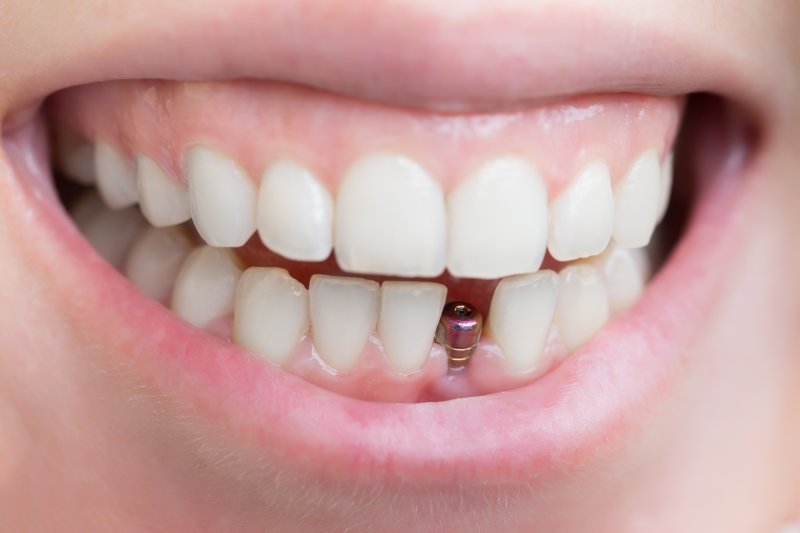
Dental implants are the best way to restore your smile after tooth loss because they look, work, and feel just like real teeth. While you may know about how these amazing prosthetic devices can improve your chewing power, speaking ability, and oral health, you may not understand how they may help protect you from heart disease and other cardiovascular issues. Here’s a quick look at how dental implants work and how they may help you keep your heart healthy.
How Can Untreated Tooth Loss Lead to Cardiovascular Issues?
Untreated tooth loss can lead to a host of oral and overall health issues like gum injuries, dental misalignments, jawbone atrophy, indigestion, and malnutrition. Each of these problems can increase your risk of chronic inflammation that is stressful for your cardiovascular system. If tooth loss makes it harder for you to chew, you may not be able to enjoy nutritious items like raw fruits and veggies and fresh meat, which can deprive your body of the resources it needs to fight inflammation and infections.
How Can Dental Implants Protect My Heart?
Dental implants function exactly like real teeth and can provide a wide range of benefits that traditional restorations cannot match. By acting in the place of your missing teeth, they can shelter the gums from injury and prevent the remaining teeth from drifting out of place, which will help reduce your risk of painful inflammation and infections. They’ll also restore almost all of your original chewing power, which will make it easy to enjoy the diverse and nutritious diet your body needs for excellent heart health.
How Are Dental Implants Placed?
Dental implants are placed through a minor surgical process that is rendered painless with local anesthetics. To place your implant, your dentist will insert a titanium post into your jawbone through your gumline, and they will be certain to provide you with detailed aftercare instructions to help ensure a smooth recovery process. You’ll come back to your dentist’s office several months later to receive an abutment piece and a lifelike restoration such as a bridge, crown, or denture. Dental implants are considered extremely safe for patients with heart disease and many other health conditions, but it’s important to be thorough when discussing your medical history during your consultation so your treatment can be planned accordingly.
Don’t let tooth loss set you up for serious oral and overall health problems. Consulting with your dentist can help you understand the best way to restore your smile.
About the Author
Dr. Mohannad Abboushi earned his dental degree at New York University and is proud to be a member of the American Dental Association, the New Jersey Dental Association, and the American Board of Laser Surgery. His office in Bloomfield offers general, restorative, cosmetic, and emergency dentistry as well as implant services. To learn more about tooth replacement, contact his office online or dial (973) 358-7277.