
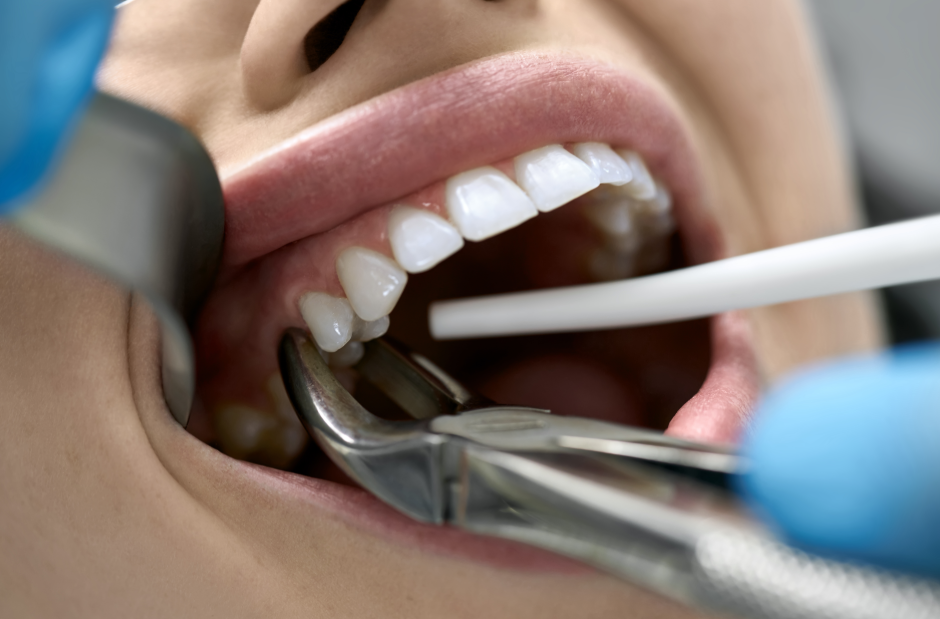
Needing a tooth extraction, whether planned or an emergency tooth extraction, can feel intimidating. While the thought of having a tooth removed may cause anxiety, understanding the procedure and the sensations involved can help you feel more prepared and at ease. Dentists take careful steps to minimize discomfort and ensure a safe experience.
Before the Extraction
Before the extraction, your dentist will evaluate your tooth and surrounding tissues. X-rays may be taken to assess the root structure and bone support. Local anesthesia is administered to numb the area, which typically prevents any pain during the procedure. You may feel pressure or movement, but sharp pain is uncommon once anesthesia has taken effect.
For anxious patients, dentists may also offer sedation options to help you relax. Preparing mentally and following pre-procedure instructions, such as avoiding eating beforehand if sedation is used, can make the process smoother.
During the Procedure
During a standard tooth extraction, the dentist uses specialized instruments to loosen the tooth from its socket. You may feel pressure and tugging as the tooth is gently removed. In the case of impacted teeth or more complex extractions, such as wisdom teeth, minor surgical steps may be involved, including making a small incision in the gum or removing a portion of bone. Even then, anesthesia ensures that discomfort is minimized.
Many patients report hearing cracking or popping sounds during removal. These sounds are normal and usually do not indicate pain. The dentist’s focus is on working efficiently while keeping you comfortable throughout the procedure.
After the Extraction
Once the tooth is removed, the dentist will place gauze over the extraction site to control bleeding and encourage clot formation. Mild soreness, pressure, or swelling is common for a few days. Over-the-counter pain medications, prescribed medications, ice packs, and soft foods can help manage discomfort. Following post-operative instructions carefully is essential to prevent complications like infection or dry socket.
What to Expect for Recovery
Recovery from a tooth extraction varies depending on the complexity of the procedure and your overall health. Most patients can return to normal activities within a day or two, while full healing of the socket may take several weeks. Avoiding smoking, chewing hard foods, or disturbing the extraction site supports faster healing.
Understanding the steps and sensations involved in a tooth extraction can reduce anxiety and help you approach the procedure with confidence.
About the Practice
Premier Family Dentistry of Bloomfield offers comprehensive dental care, including emergency tooth extraction, preventive services, and restorative treatments. Led by Dr. Abboushi and supported by a caring dental team, our practice focuses on patient comfort, education, and personalized care to ensure safe, effective procedures and smooth recovery for every patient.
Call us at (973) 358-7277 or schedule your appointment online.